
Women’s Trauma Informed Horticultural Therapy Group
Beginning April 5th, 2026
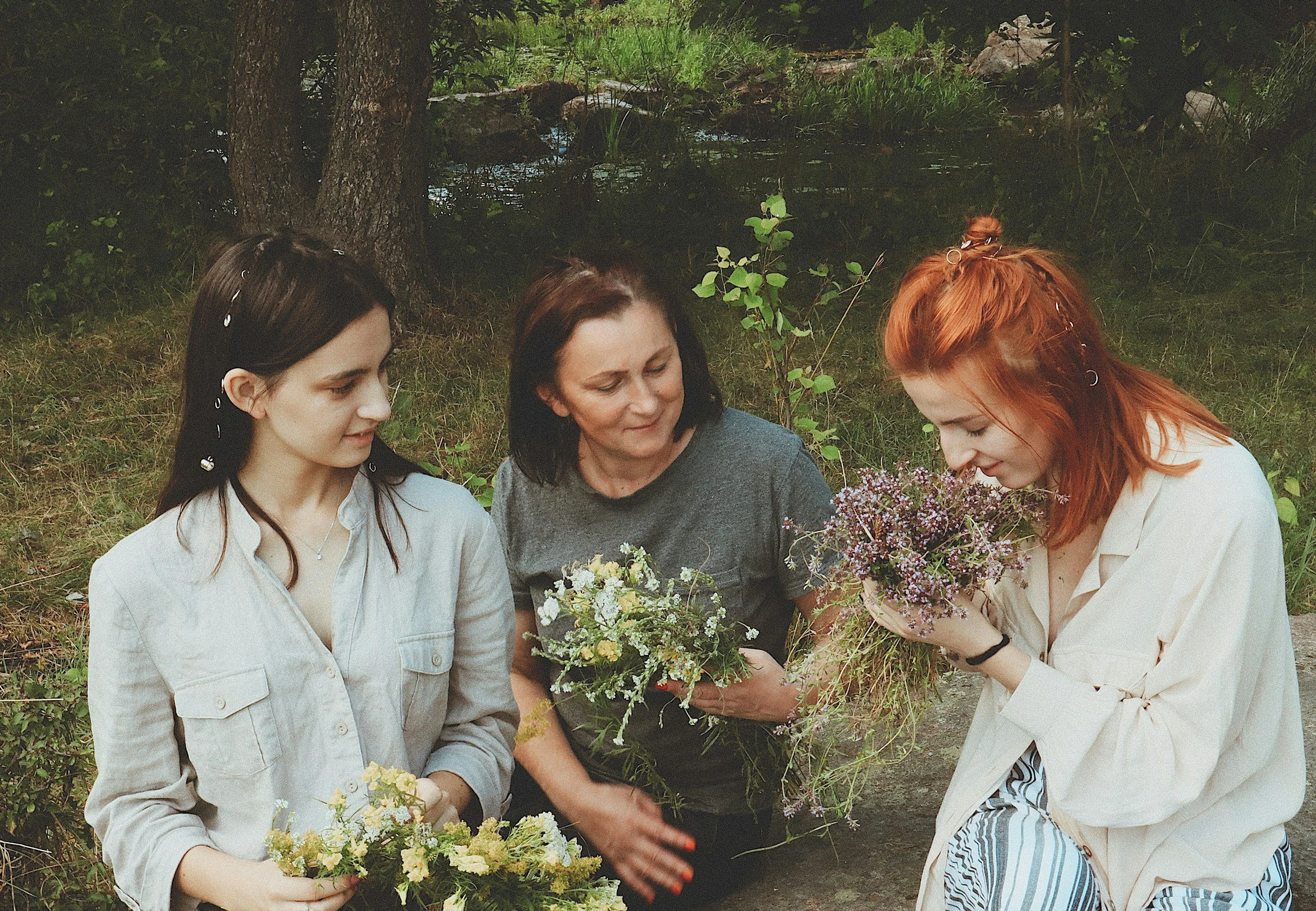
A small, ongoing group for women ready to live with more ease, confidence, and connection.
A place to exhale.
A place to steady your nervous system.
A place to feel more like yourself again.
You’re Functioning — But You’re Not Fully Living
From the outside, your life probably looks good.
You did what you were supposed to do.
You achieved. You stayed responsible. You kept going.
You adapted. You endured. You were called resilient.
And yet — inside — something doesn’t feel right.
You might recognize yourself here:
You’re anxious, always bracing for the next thing to go wrong
You feel like you’re barely pulling it off, even when you’re objectively doing well
You feel like an imposter in rooms you’ve more than earned your place in
No matter what you accomplish, it never quite feels like enough
Joy, ease, and calm feel distant or unreliable
You’re exhausted from holding yourself to impossible standards
You feel like you’re watching life happen from the outside, unsure how to fully step in
You’re running on empty — and you know something needs to change.
“When the world wearies and society fails to satisfy, there is always the garden.” – Minnie Aumonier
You’re Not Falling Apart. You’re Paying Attention.

It’s impossible to be an engaged, empathetic, thoughtful woman today without being impacted by stress and trauma — both personal and cultural.
Women live under constant pressure:
To perform competence in order to feel safe
To be not enough and perfect at the same time
To carry emotional labor, responsibility, and care for others
To absorb inequity, uncertainty, and impossible expectations
Over time, this takes a toll.
Your nervous system may have been under strain for years — from chronic stress, burnout, grief, loss, disappointment, or difficult experiences you don’t feel the need to label as “trauma.”
You’re not broken.
You’re responding normally to an abnormal amount of pressure.
“Storms make trees take deeper roots.” — Dolly Parton
One Missing Piece: Disconnection from Nature
Many women in this group name something else — often quietly.
They miss feeling connected to nature.
Even if they can’t fully explain it, they know that being outside, around plants, or in natural spaces once brought calm, clarity, or relief. Somewhere along the way, that connection was replaced by productivity, screens, urgency, and constant mental load.
Our nervous systems are not designed to live divorced from natural rhythms.
When we lose regular contact with nature — sensory grounding, seasonal pacing, living systems — stress compounds. Regulation gets harder. Joy feels further away.
This disconnection isn’t personal failure.
It’s a cultural reality — and it has real consequences for women’s mental health.
“When one tugs at a single thing in nature, he finds it attached to the rest of the world.” — John Muir
Trauma-Informed Care Helps Build Safety & Connection
This is a trauma-informed horticultural therapy group for women
That means:
Safety, choice, pacing, and nervous system awareness come first
Nothing is forced — no pressure to disclose or “go deep”
We understand how stress, burnout, grief, and difficult life experiences shape mood, confidence, energy, and connection

Trauma will be processed here.
So might burnout, loneliness, imposter feelings, or the quiet ache of thinking: “I did everything right — so why doesn’t my life feel right?”
You do not need to identify as a “trauma survivor.”
You do not need to justify or explain your pain.
This group offers care that understands why you feel the way you do — without requiring you to define yourself by it.
“A garden is always a series of losses set against a few triumphs, like life itself.” – May Sarton
Why Horticultural Therapy Works

Horticultural therapy is an evidence-based therapy that intentionally uses plants and plant-centered activities to support:
Emotional regulation
Nervous system balance
Insight and meaning-making
Connection — to self, others, and the living world
Plants offer something rare: feedback without judgment.
Working with plants engages the body and senses in ways talking alone cannot — especially for women who are tired of thinking their way through everything.
And to be clear:
This is not gardening with feelings.
And it’s not talk therapy outdoors.
Plants are used intentionally — as therapeutic tools — to help you slow down, ground, notice, and reconnect with yourself and your environment. Over time, this creates steadiness, flexibility, and genuine change.
“The garden reconciles human art and wild nature… It is a magical place because it is not divided.” – Thomas Moore
What This Group Looks Like


This is a small, ongoing women’s therapy group (limited to 8 participants) that blends:
In-person horticultural therapy sessions
Virtual trauma-informed process groups
Reflection and integration between sessions
Each month includes:
1st Sunday (11am–1pm): In-person horticultural therapy session
2nd & 4th Thursdays (6:30–8pm): Virtual process groups
A seasonal theme woven through all sessions
You’ll also receive a monthly guide with:
Reflection questions and journaling prompts
Seasonal self-care ideas and simple rituals
Optional plant-based practices to try between sessions
You don’t need gardening experience.
You don’t need a green thumb.
You just need a willingness to show up.
“A garden requires patient labor and attention.” – Liberty Hyde Bailey
What to expect:
While everyone’s experience is different, many women notice:
Increased emotional regulation and stress tolerance
Less anxiety, avoidance, and reactivity
A quieter inner critic and more self-trust
Reduced imposter feelings and comparison
Improved mood, energy, and curiosity
A stronger sense of belonging and connection
Greater flexibility around change and uncertainty
Practical skills and confidence working with plants
Permission to live seasonally and redefine productivity
Investment & Commitment:
“In her garden, every woman may be her own artist without apology or explanation.” – Louise Beebe Wilder
$250 per month
Card on file; charged monthly
3-month minimum commitment
One-month written notice after minimum
Limited to 8 participants
Consistency matters.
Participants are expected to attend the virtual sessions and are strongly encouraged not to miss the in-person gatherings, where much of the experiential work happens.
An Earnest Invitation
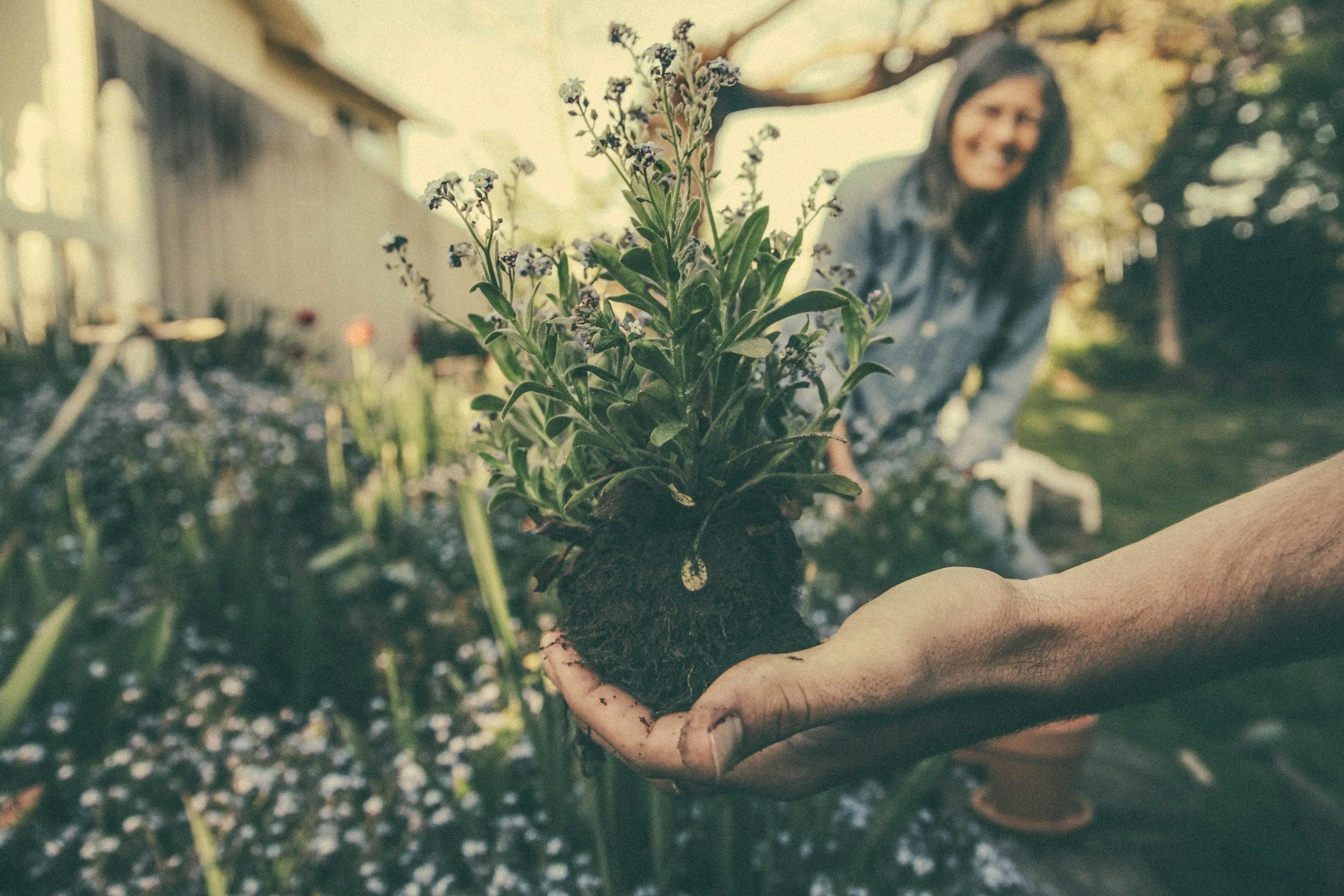
“We must cultivate our own garden.” – Voltaire
You don’t need another goal to chase.
You don’t need to fix yourself or try harder.
You need space that understands why you’re exhausted —
and knows how to help you feel more alive again.
If this page feels like it’s speaking to you — not just intellectually, but in your body — you’re invited to apply.
Frequently Asked Questions
-
No. This group is trauma-informed, not trauma-exclusive. Many participants come in navigating burnout, grief, chronic stress, or a sense of disconnection. What matters is that you want care that understands how difficult experiences affect the nervous system.
-
No. This group is designed to supplement and complement individual therapy. Participants must have current or significant prior therapeutic support.
-
No gardening or plant experience is required, but you do need openness to experiential, plant-related activities.
It’s also important that you desire to connect – to yourself, to nature, and to others. You are likely to experience your own and others’ emotions and vulnerability. This group may not be a good fit if you strongly dislike plants, people, hands-on activities, or feelings.
-
The group is closed but rotating. New members may join only when a spot opens to protect safety and cohesion.
-
Consistency is important. Occasional absences happen, but regular participation supports both you and the group.
-
No. This group is not a crisis service or primary treatment.
-
Meaningful change in community takes time. The minimum commitment supports trust, emotional safety, and deeper engagement.
-
All participants complete a screening process to determine mutual fit and ensure the group can meet your needs ethically and safely.